Coffee Cup with Evil
As a designer and embroidery product reviewer, I often find myself evaluating digital files for real-world use. Coffee Cup with Evil caught my attention not just for its quirky theme, but for how it might translate into actual embroidery projects. Let’s break down what this design offers and where it could shine—or fall short—in practical applications.
The First Impression: A Bold, Playful Statement
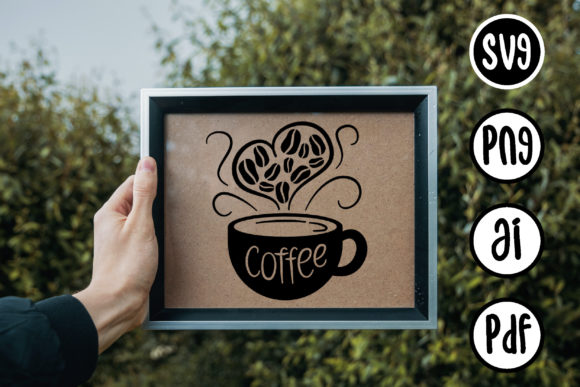
Coffee Cup with Evil immediately sets a tone of irreverent humor. The design features a stylized coffee cup with an evil twist, likely in the form of a sinister grin or mischievous details. The layout is clean, with a central focus on the cup, making it easy to scale and adapt for various projects. The level of detail is moderate, which is great for embroidery because it avoids being too intricate for most machines.
This design feels like it belongs on custom apparel, especially for those looking to add a bit of personality to their handmade products. It’s not overly complex, so it should work well on t-shirts, sweatshirts, and tote bags without requiring advanced embroidery skills.
Real-World Embroidery Performance
When considering Coffee Cup with Evil for real-life embroidery, it’s important to think about how it will look after stitching. The design’s simplicity helps with clarity, but the placement of elements—like the cup’s handle or any text—could affect how it translates onto fabric. For instance, if there are small details or thin lines, they might get lost on textured or stretchy fabrics.
For a custom tote bag design, this could be a hit. The cup is large enough to be visible but not so big that it overwhelms the bag. On a sweatshirt, it would make a strong statement without needing excessive stitch density. However, if you’re planning to use it on baby clothes, you’ll want to ensure that the design doesn’t have sharp edges or tiny parts that could snag or irritate delicate skin.
Where to Use It Carefully
While Coffee Cup with Evil has a lot to offer, there are some situations where it might not perform as well. If you’re working with small hoop sizes, the design may need to be split or resized, which can affect the overall look. On thin or stretchy fabrics, the stitches might pucker or distort, especially if the stabilizer isn’t properly applied.
Dark fabrics could also pose a challenge. If the design uses light thread colors, it might not show up well against a black or navy background. Similarly, on layered garments or curved surfaces like caps, the design might not sit flat or could get distorted during the embroidery process.
If the design includes detailed corners or tiny lettering, those areas could become problematic. Satin stitch or fill stitch in tight spaces might not come out cleanly, leading to a less polished finished product. Always test the design on scrap fabric before committing to a client project or commercial use.
Visual Appeal and Customer Perception
Coffee Cup with Evil has a clear visual identity that could enhance the appeal of your handmade products. Its bold, recognizable shape makes it ideal for personalized gifts, such as embroidered patches or holiday-themed items. Customers often gravitate toward designs that are both fun and easy to understand, and this one fits the bill.
From a business perspective, using this design could help build brand consistency, especially if you’re targeting a niche audience that appreciates humor or quirky aesthetics. It also adds value to your product offerings by providing a unique, ready-to-use design that customers can easily incorporate into their own projects.
Practical Designer Notes
Before using Coffee Cup with Evil in your next embroidery project, here are a few key considerations:
- Test on scrap fabric: Always check how the design looks on the actual fabric you plan to use. This helps identify issues with stitch density, thread color contrast, or fabric texture.
- Review stitch density: If the design has dense areas, make sure it won’t cause puckering or wear over time.
- Confirm hoop size: Ensure the design fits within your machine’s hoop limitations. If not, consider splitting it or resizing.
- Inspect small details: Check for any elements that might not translate well, such as thin lines or intricate patterns.
- Test in black and white: Sometimes, the design might look different in monochrome, which is useful for mockups or print-on-demand setups.
- Compare with light and dark backgrounds: This helps determine how well the design stands out on different fabric colors.
- Use proper stabilizer: Especially important for stretchy or textured fabrics to prevent distortion.
- Check licensing: Make sure you’re allowed to use the design for both personal and commercial projects, especially if you’re selling finished items or digital products.
Best Fit for Your Projects
Coffee Cup with Evil is best suited for projects that benefit from a clear, bold design. It works well on custom apparel, such as tote bags, sweatshirts, and caps. It also has potential for baby items, like onesies or blankets, provided the details are gentle and safe.
For Etsy sellers or small shop owners, this design could be a quick addition to your product line, especially around holidays or themed events. It’s also a good fit for printable mockups or digital product previews, helping customers visualize how the design would look on their chosen item.
However, if you’re aiming for something more minimalist or abstract, this design might not align with your brand aesthetic. It’s best to use it where its playful energy can shine through.
Final Thoughts: A Useful Addition with Caveats
Coffee Cup with Evil is a versatile machine embroidery design that can add character to a range of projects. Its clean layout and moderate detail make it accessible for both hobbyists and professionals. However, like any design, it requires careful consideration of fabric type, hoop size, and stitch density to ensure the finished product meets expectations.
If you’re looking for a fun, ready-to-use design that can elevate your craft business or handmade gifts, Coffee Cup with Evil is worth exploring. Just remember to test it thoroughly and tailor it to your specific needs before finalizing any project.